Disconnected enterprise systems
ERP, quality, procurement and reporting systems are not always integrated, so data is re-keyed.
Related priority: ERP and business-system integration
Manufacturing, Automotive & Aerospace
CALIT helps manufacturing, automotive and aerospace organisations connect enterprise systems, data and reporting with dependable, secure infrastructure — at the enterprise-IT layer, not as an industrial-automation or machine-control provider.
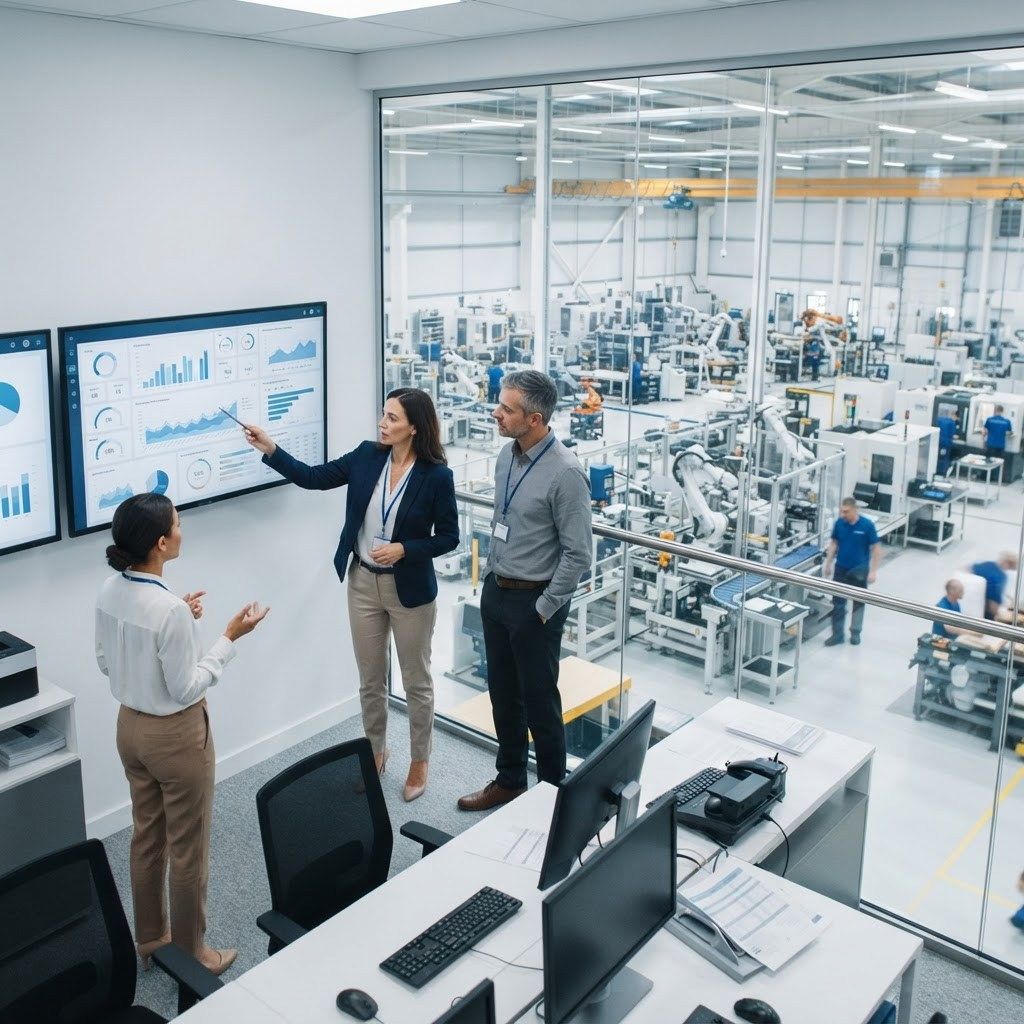
Manufacturing, automotive and aerospace organisations connect enterprise and factory-support systems for reporting, data integration and dependable, secure infrastructure. Information often spreads across disconnected systems, which affects visibility and decisions.
CALIT focuses on the enterprise-technology layer — ERP and business systems, data, cloud, cybersecurity, infrastructure and reporting — rather than machine control, industrial automation, PLCs or shop-floor operational technology.
Engagements can begin with an assessment, a roadmap, an implementation, an integration or ongoing support, depending on where the value and the risk sit for your organisation.
Better enterprise visibility and integration, without touching machine control or shop-floor OT.
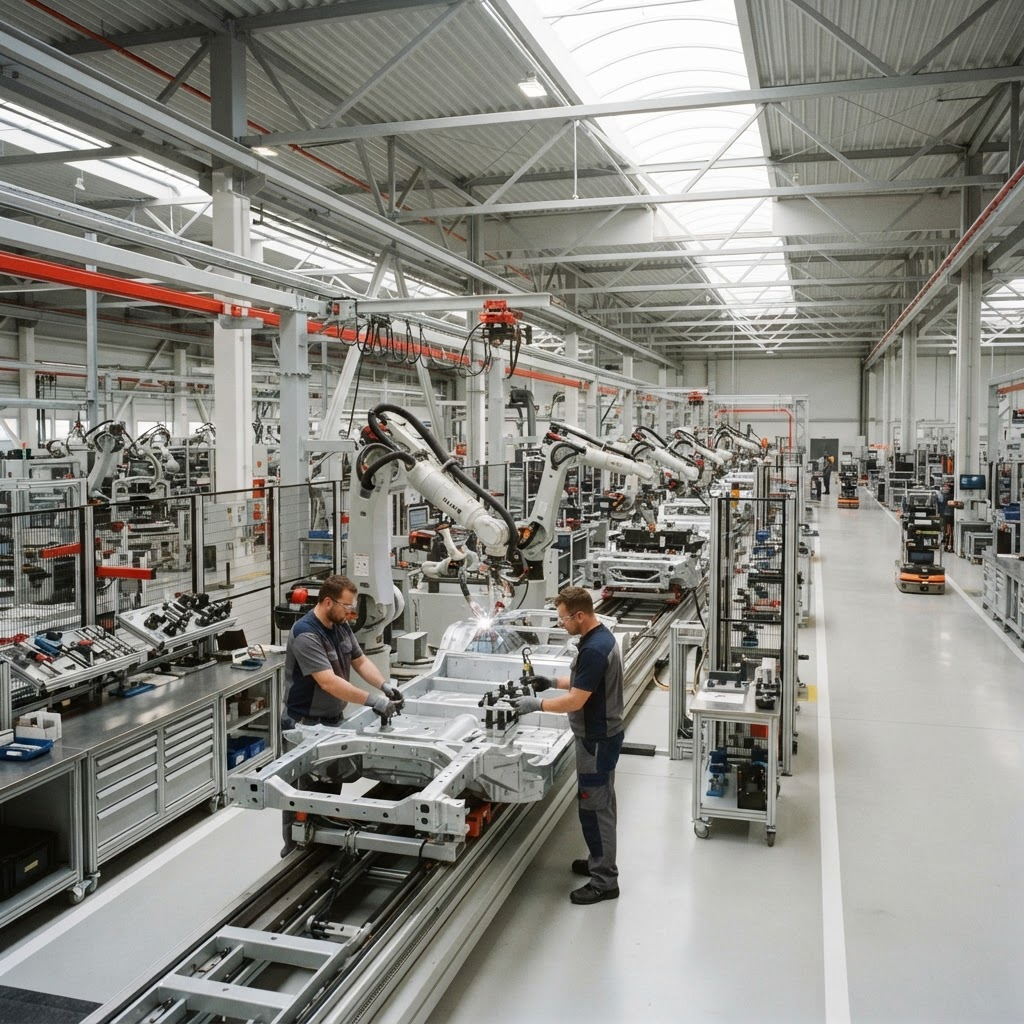
Common enterprise-technology gaps we help manufacturing, automotive and aerospace organisations address — in plain operational terms, without fear-based language.
ERP, quality, procurement and reporting systems are not always integrated, so data is re-keyed.
Related priority: ERP and business-system integration
Operational and enterprise data sit in separate systems, making a current view hard to maintain.
Related priority: Data integration and reporting
Management and operational reporting rely on manual consolidation, delaying decisions.
Related priority: Operational and management dashboards
Protecting identities, endpoints and data is harder across plants, offices and suppliers.
Related priority: Identity, endpoint and access governance
Enterprise and factory-support infrastructure can be fragmented across sites, affecting resilience.
Related priority: Infrastructure resilience and recovery
Manual processes across procurement, quality and administration slow throughput and follow-up.
Related priority: Workflow automation
Outcome-led priorities that shape most manufacturing, automotive and aerospace engagements, sequenced around value and manageable delivery risk.
Integration-ready architecture that keeps ERP, quality and reporting data consistent.
Bringing operational and enterprise data together for clearer, current reporting.
Consolidated dashboards that give teams and leadership a dependable view.
Consistent identity, endpoint and access controls across plants, offices and suppliers.
Dependable enterprise and factory-support infrastructure, backup and recovery.
Automation that reduces manual processes across procurement, quality and administration.
Representative enterprise-IT solution areas — assembled around your operating context, never presented as machine-control or industrial-automation systems.
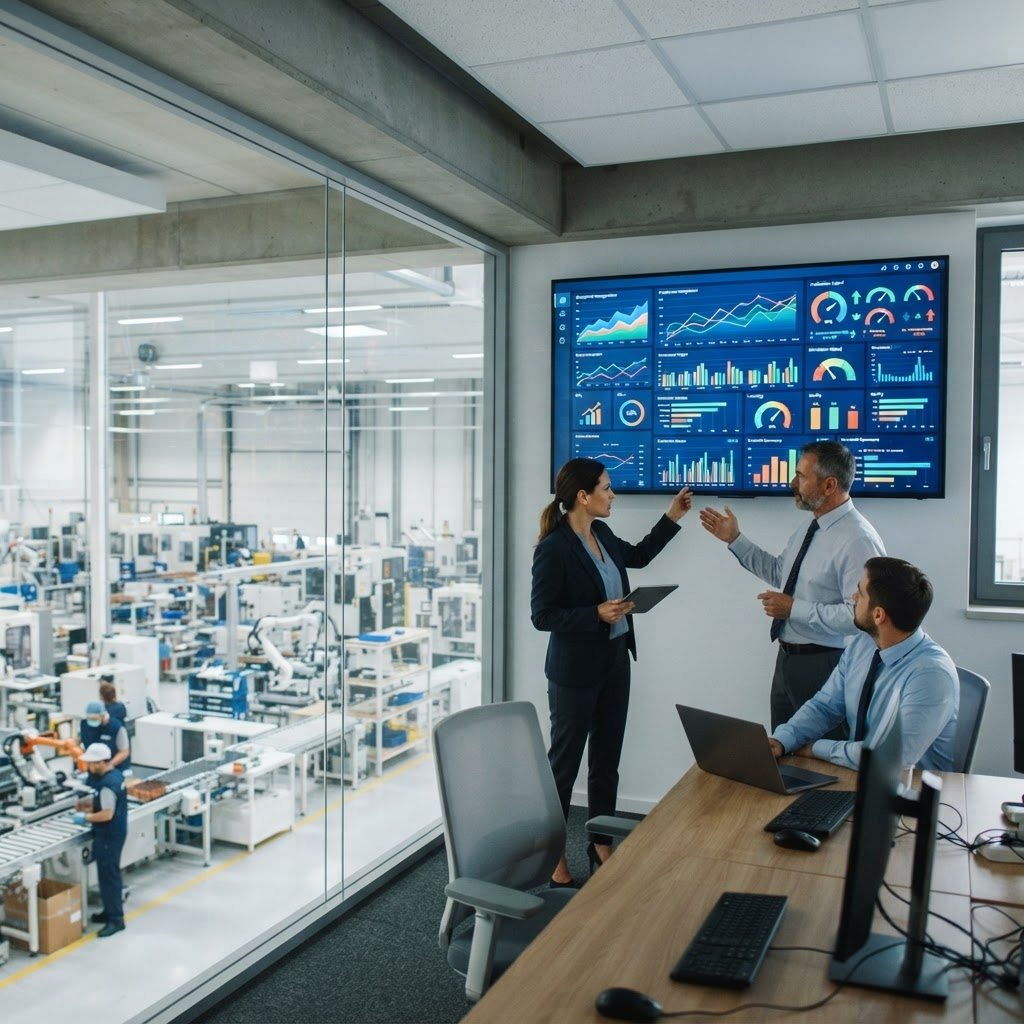
Integration between ERP, quality, procurement and reporting systems.
Consolidated data and dashboards that bring enterprise and operational data together.
Dependable enterprise and factory-support infrastructure, connectivity and endpoints.
Identity, endpoint and access controls across plants, offices and suppliers.
Automation across procurement, quality and administrative processes.
Pragmatic cloud and application modernisation that improves manageability.
The approved CALIT services we most often bring to manufacturing, automotive and aerospace engagements. Each links to its full service page.
A focused selection relevant to enterprise systems and integration. We use and coordinate these technologies; we do not imply formal vendor partnership or certification.
ERP, CRM, business intelligence and content platforms that run operations.
A clear, business-first sequence that adapts to each engagement — from understanding the operating context through to ongoing support and improvement.

Understand teams, locations, users, systems, operational dependencies and business priorities.
Stage 1 of 7Review current applications, infrastructure, data, identity, security and process gaps.
Stage 2 of 7Identify changes that offer practical business value and manageable delivery risk.
Stage 3 of 7Establish solution design, integration, access, ownership and delivery controls.
Stage 4 of 7Configure, build, migrate or deploy without unnecessary disruption.
Stage 5 of 7Test the solution, confirm readiness, document processes and support users.
Stage 6 of 7Review outcomes, resolve issues and evolve the environment over time.
Stage 7 of 7Representative scenarios that show how enterprise technology can connect production organisations. These are illustrative applications — not named client projects or delivered results.
Related capability: ERP and business-system integration

Related capability: Operational and management dashboards
Related capability: Identity, endpoint and access governance
A practical look at how CALIT approaches real business challenges. The scenario below is illustrative — a representative delivery model, not a named client engagement.

Industry: Manufacturing, Automotive & Aerospace
Enterprise systems were not integrated, data was re-keyed across plants, reporting was manual, and access governance was inconsistent across sites and suppliers.
An illustrative approach centred on ERP and reporting integration, consolidated dashboards, resilient infrastructure and access governance — delivered in controlled stages with user adoption in mind.
Defensible strengths for enterprise IT and digital transformation in production organisations — not claims of machine control or industrial automation.
We start with your operating context and priorities, then shape technology around them.
Software, cloud, security, infrastructure, data and enterprise platforms coordinated together.
Delivery understanding across India, the GCC and international business environments.
Controlled, staged implementation that avoids unnecessary disruption to operations.
Architecture that keeps enterprise systems and data consistent as the estate grows.
Security, maintainability and post-launch support designed in from the start.
Straight answers to the questions we hear most about this service.
We support enterprise IT and digital transformation for manufacturing, automotive and aerospace organisations. Our focus is the enterprise-technology layer: ERP and business systems, data, cloud, cybersecurity, infrastructure and reporting.
No. Machine control, PLCs, industrial automation and shop-floor operational technology require appropriately qualified specialists. CALIT focuses on the enterprise-IT layer and can coordinate with specialist providers where relevant.
Where suitable interfaces exist, we design integration-ready architecture so ERP, quality and reporting data stay consistent. The approach depends on the systems in place and is confirmed during assessment.
Yes. We design consolidated dashboards that bring operational and enterprise data together for a more dependable, current view.
We focus on identity, endpoint and access governance across plants, offices and suppliers, using tools such as Microsoft Entra ID, Defender and Intune.
Yes. Engagements often start with a focused assessment or a transformation roadmap so priorities, risks and sequencing are clear before any implementation begins.
Let's talk
Start with an assessment or roadmap, or discuss a specific challenge. We will help you prioritise practical, staged change around your operating context.