Disconnected project and operational information
Project, field and operational data live in separate tools, so teams re-key information and lose a single, current view.
Related priority: Data consolidation and reporting
Energy, Utilities & Resources
CALIT helps energy, utilities and resource organisations improve collaboration, reporting, cybersecurity, infrastructure and enterprise workflows across offices, projects and distributed operations — at the enterprise-IT layer.

Energy, utility and resource organisations operate across distributed teams, projects, contractors, offices and sites. Information tends to spread across email, spreadsheets and disconnected systems, which can affect visibility, coordination and day-to-day decision-making.
CALIT focuses on the enterprise-technology layer — collaboration, document control, cloud, cybersecurity, infrastructure, data and business systems — rather than plant engineering or operational-technology control. That focus lets us connect information and workflows without interfering with critical operations.
Engagements can begin with an assessment, a roadmap, an implementation, an integration or ongoing support, depending on where the value and the risk sit for your organisation.
Modernisation should connect information and workflows without disrupting critical operations.
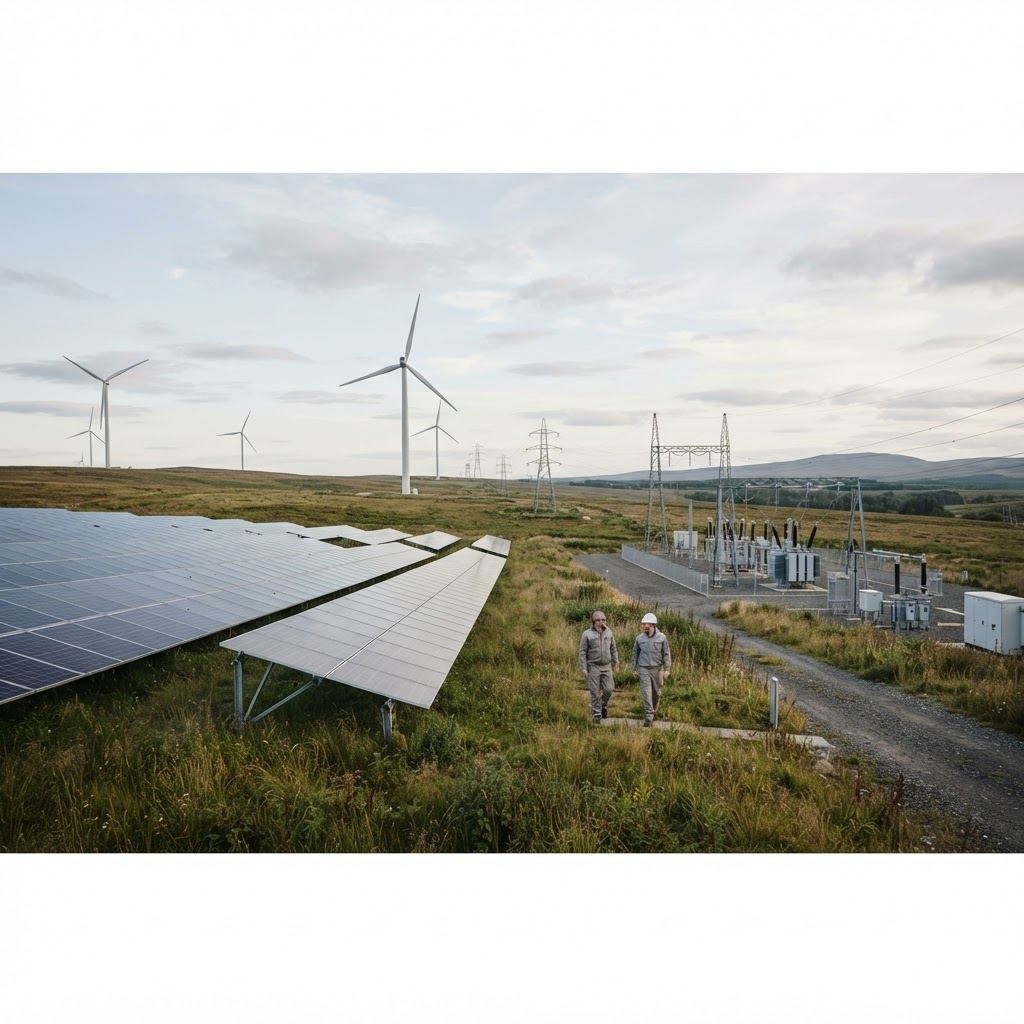
Common enterprise-technology gaps we help energy, utility and resource organisations address — described in plain operational terms, without fear-based language.
Project, field and operational data live in separate tools, so teams re-key information and lose a single, current view.
Related priority: Data consolidation and reporting
Distributed sites, offices and remote teams struggle to collaborate on the same documents and information.
Related priority: Secure collaboration and document control
Controlled documents and approvals are spread across inboxes and shared drives, making versions and sign-off hard to track.
Related priority: Secure collaboration and document control
Procurement and vendor status is difficult to see end to end, slowing decisions and follow-up.
Related priority: Project, procurement and vendor workflows
Onboarding contractors and managing their access across systems is manual and easy to get inconsistent.
Related priority: Identity, endpoint and access governance
Management reporting often needs manual consolidation, so decisions wait on spreadsheets being pulled together.
Related priority: Operational and management dashboards
Protecting identities, endpoints and data is harder when people and systems are spread across many locations.
Related priority: Identity, endpoint and access governance
Infrastructure, backup and recovery can be fragmented across sites and vendors, making resilience harder to assure.
Related priority: Infrastructure resilience and recovery
Outcome-led priorities that shape most energy, utility and resource engagements. We help you sequence these around value and manageable delivery risk.
A controlled environment for project documents, versions and approvals across sites and offices.
Structured workflows that make project, procurement and vendor status visible and easier to act on.
Consolidated dashboards that give teams and leadership a dependable, current operational view.
Consistent identity, endpoint and access controls across distributed users and contractors.
Pragmatic cloud and hybrid modernisation that improves manageability without disrupting operations.
Dependable infrastructure, backup and recovery so critical services stay available across locations.
Integration-ready architecture that keeps enterprise systems and data consistent as the estate grows.
Bringing operational data together for clearer reporting, with room for AI-assisted document and knowledge search.
Representative enterprise-IT solution areas — assembled around your operating context, never presented as off-the-shelf products or plant-control systems.

A connected home for project information and collaboration across offices, sites and contractor teams.
Structured document control with versioning, permissions and approval workflows.
Workflows that make procurement requests, approvals and vendor status visible end to end.
Reporting that consolidates project, procurement and operational status for faster decisions.
Consistent onboarding and role-based access across the systems contractors need.
Dependable, well-managed infrastructure, connectivity and endpoints across locations.
Identity, endpoint and access controls suited to distributed energy environments.
The approved CALIT services we most often bring to energy, utility and resource engagements. Each links to its full service page.
A focused selection relevant to energy, utility and resource operations. We use and coordinate these technologies; we do not imply formal vendor partnership or certification.
Cloud platforms and the Microsoft ecosystem, configured and governed well.
A clear, business-first sequence that adapts to each engagement — from understanding the operating context through to ongoing support and improvement.

Understand teams, locations, projects, users, operational dependencies and business priorities.
Stage 1 of 7Review current applications, infrastructure, data, identity, security and process gaps.
Stage 2 of 7Identify changes that offer practical operational value and manageable delivery risk.
Stage 3 of 7Establish solution design, integration, access, ownership and delivery controls.
Stage 4 of 7Configure, build, migrate or deploy without unnecessary disruption.
Stage 5 of 7Test the solution, confirm readiness, document processes and support users.
Stage 6 of 7Review outcomes, resolve issues and evolve the environment over time.
Stage 7 of 7Representative scenarios that show how enterprise technology can connect energy operations. These are illustrative applications — not named client projects or delivered results.
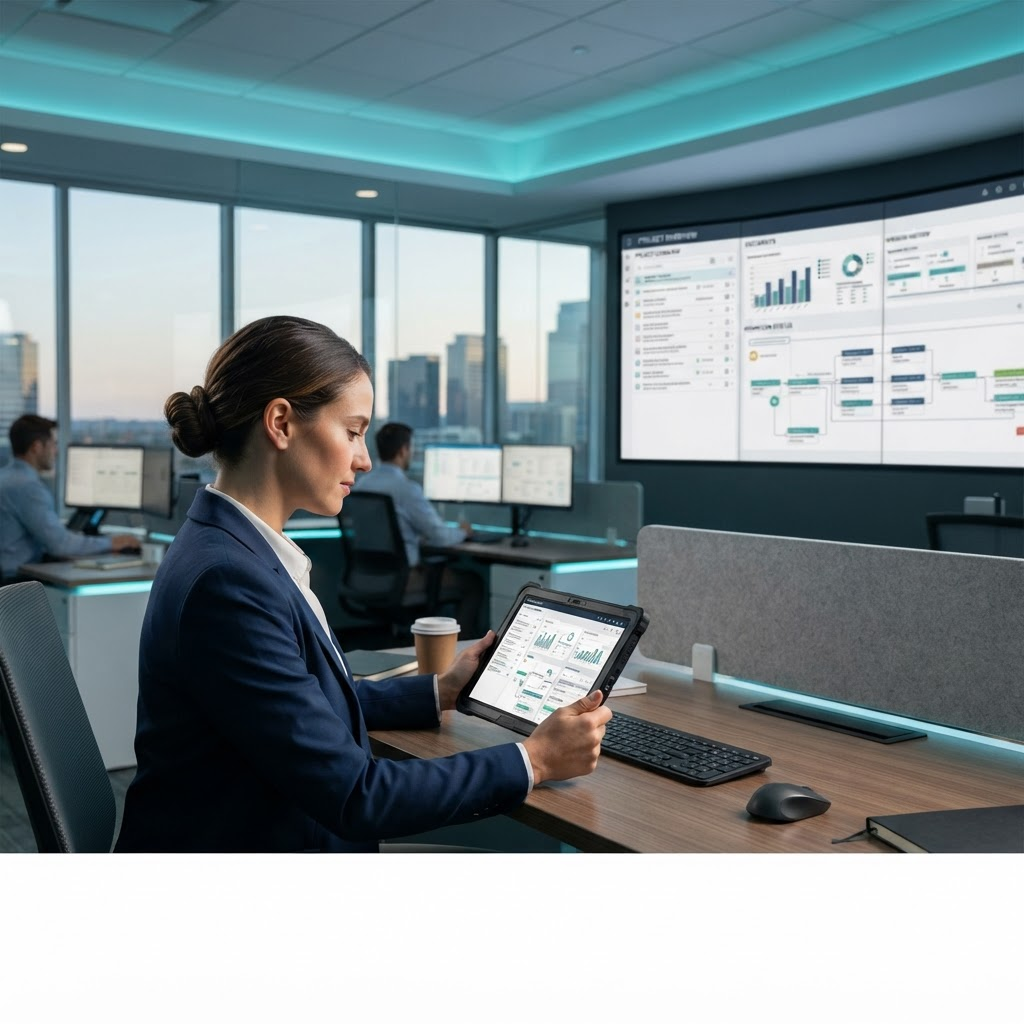
Related capability: Secure collaboration and document control
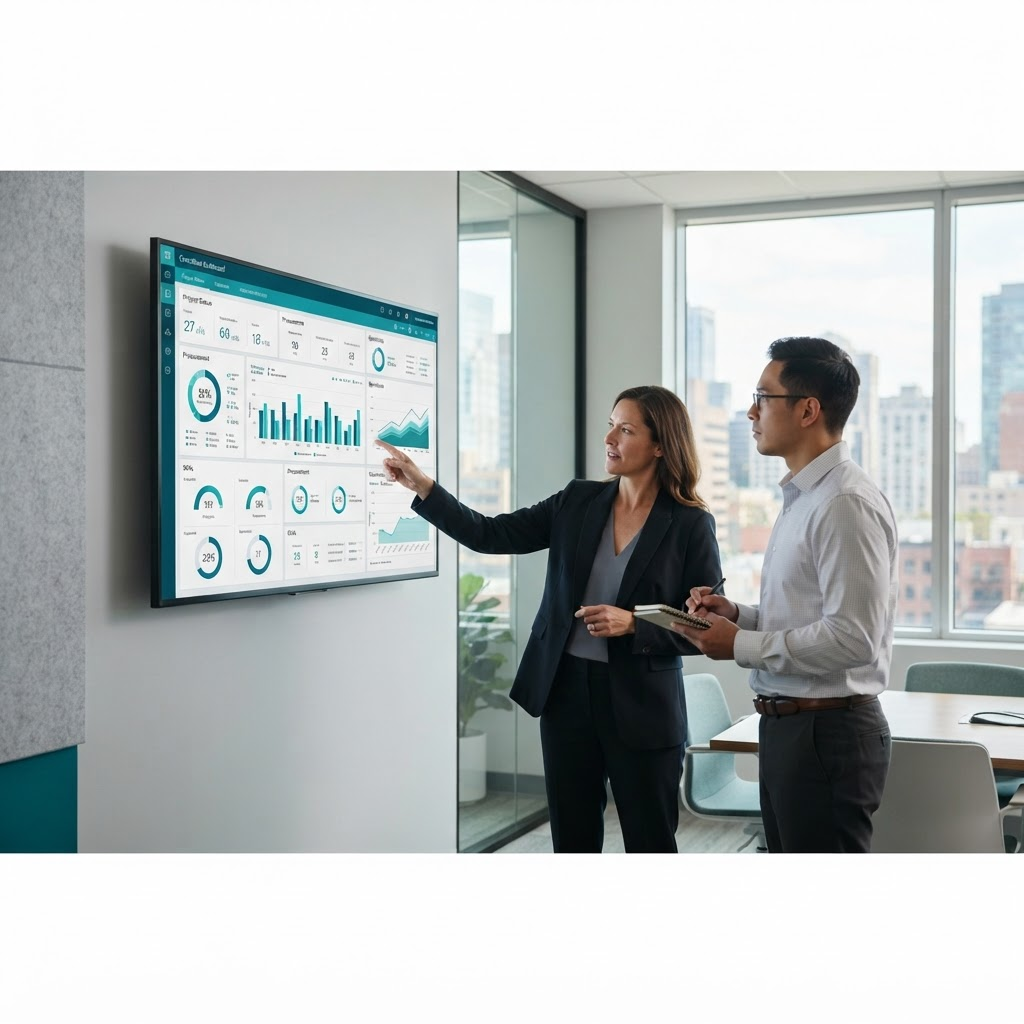
Related capability: Operational and management dashboards

Related capability: Identity, endpoint and access governance
A practical look at how CALIT approaches real business challenges. The scenario below is illustrative — a representative delivery model, not a named client engagement.

Industry: Energy, Utilities & Resources
Information was distributed across email, spreadsheets and disconnected systems. Procurement and project status were hard to see, contractor and document workflows were inconsistent, and management reporting required manual consolidation.
An illustrative approach centred on a connected collaboration and document environment, structured procurement and approval workflows, project and management dashboards, role-based access and an integration-ready architecture — delivered in controlled stages with user adoption in mind.
Defensible strengths for enterprise IT and digital transformation in project-driven, distributed environments — not claims of field engineering or specialist OT.
We start with your operating context and priorities, then shape technology around them.
Experience designing for offices, project sites and contractor teams that rarely sit in one place.
Delivery understanding across India, the GCC and international business environments.
Software, cloud, security, infrastructure, data and enterprise platforms coordinated together.
Controlled, staged implementation that avoids unnecessary disruption to operations.
Security, maintainability and post-launch support designed in from the start.
Straight answers to the questions we hear most about this service.
We support enterprise IT and digital transformation for organisations across energy, utilities and resources — including services, distribution, renewables and resource operations. Our focus is the enterprise-technology layer: collaboration, cloud, applications, data, cybersecurity, infrastructure and business systems.
Yes. Much of our work is designed for distributed teams, project sites, offices and contractors. We focus on connecting information and workflows across locations without disrupting day-to-day operations.
Yes. We design SharePoint and Microsoft 365 document-control environments with structured libraries, versioning, permissions and approval workflows, connected to everyday collaboration tools.
Where suitable interfaces exist, we design integration-ready architecture so enterprise systems and data stay consistent. The approach depends on the systems in place and is confirmed during assessment.
We focus on identity, endpoint and access governance across distributed users and contractors, using tools such as Microsoft Entra ID, Defender and Intune. Security is treated as part of the architecture rather than an afterthought.
Yes. Engagements often start with a focused assessment or a transformation roadmap so priorities, risks and sequencing are clear before any implementation begins.
Usually, yes. We favour pragmatic, staged modernisation that builds on what works and replaces only what needs to change, to limit disruption and risk.
CALIT's primary focus is enterprise IT — cloud, applications, data, cybersecurity, infrastructure and digital workflows. Safety-critical operational technology, SCADA engineering and industrial-control work require appropriately qualified specialists. Where relevant, CALIT may coordinate with approved specialist partners as part of a clearly defined engagement, rather than acting as the direct OT engineering provider.
Let's talk
Start with an assessment or roadmap, or discuss a specific challenge. We will help you prioritise practical, staged change around your operating context.